

Views: 0 Author: Site Editor Publish Time: 2025-12-24 Origin: Site


Cleaning engine parts is crucial for maintaining engine efficiency. The right cleaning method ensures longevity and optimal performance. Whether it's Deutz engine parts, Wartsila engine parts, or MAN B&W engine parts, selecting the proper technique is vital. In this article, we will explore various cleaning methods and their benefits, helping you make informed decisions for your engine maintenance.
One of the simplest and most cost-effective ways to clean engine parts is using neutral soap and warm water. This method is ideal for removing light grease, dirt, and contaminants from Deutz engine parts like valve covers, throttle bodies, and intake manifolds. The neutral pH of the soap ensures that the cleaning process does not cause damage to the surface of the parts.
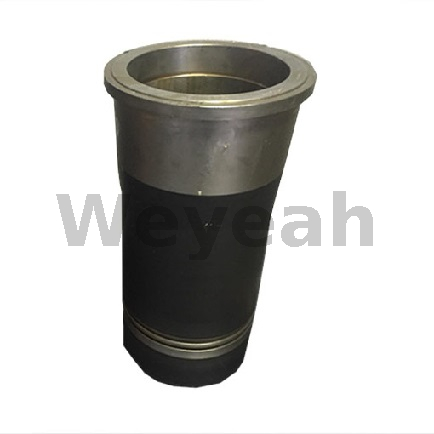
Step-by-Step Cleaning Process:
1. Prepare the Solution: Mix warm water (40–50°C) with a neutral detergent at a ratio of 1:50.
2. Apply the Solution: Use a soft brush or cloth to apply the solution onto the engine parts. Focus on areas with accumulated grease and dirt.
3. Scrub Gently: Use a nylon brush with bristles soft enough to prevent scratches, particularly on delicate Wartsila engine parts.
4. Rinse and Dry: After cleaning, rinse the parts with clean water and dry them using compressed air or a microfiber cloth to avoid moisture buildup.
Tip: For heavily soiled engine parts, consider a second round of cleaning using a more powerful solution or alternative method, like ultrasonic cleaning.
For parts with light oxidation or grease buildup, natural cleaners like lemon juice and baking soda can provide an effective and eco-friendly solution. This method works well for aluminum engine parts commonly found in Wartsila engine parts.
Why It Works:
● Lemon Juice: The citric acid in lemon juice helps dissolve oxidation and stains without damaging the metal.
● Baking Soda: Baking soda acts as a mild abrasive that lifts grease and oil while neutralizing acidic contaminants.
Recommended Usage:
● Mix lemon juice with a small amount of water and apply it to the affected area.
● Use a paste made from baking soda and water to scrub stubborn spots.
● Rinse thoroughly to remove any residue and prevent corrosion.
For Deutz engine parts or any parts with more persistent contamination, commercial aluminum cleaners are an excellent choice. These cleaners are formulated to tackle stubborn carbon deposits and grease while protecting the integrity of the material. Choosing the right cleaner for your engine parts is essential to avoid damaging sensitive surfaces.
How to Choose the Right Cleaner:
1. Check Compatibility: Ensure the cleaner is designed for the material you're cleaning (e.g., aluminum, steel).
2. Avoid Harsh Chemicals: Some aggressive cleaners may damage the surface or leave stains. Opt for pH-balanced solutions.
3. Test on Small Area: Always perform a spot test before using any cleaner on the entire part.
Common Use Cases:
● Restoring the finish of engine blocks and cylinder heads.
● Removing thick layers of grease, oil, and carbon from critical engine components.
Ultrasonic cleaning is a highly efficient method for cleaning engine parts, especially those with complex geometries. This method uses high-frequency sound waves to generate microscopic bubbles in a liquid cleaning solution. The collapse of these bubbles creates powerful shockwaves that break apart dirt, oil, and carbon buildup.
Why Ultrasonic Cleaning Works:
● The shockwaves generated by ultrasonic frequencies can reach into small crevices and channels, making it ideal for Wartsila engine parts with intricate designs.
● The process is gentle on the parts, reducing the risk of physical damage compared to manual scrubbing.
How to Use Ultrasonic Cleaning Systems:
1. Prepare the Solution: Use a water-based cleaning solution or mild detergent.
2. Submerge the Parts: Place the engine parts in the ultrasonic cleaning tank.
3. Set the Time and Frequency: Set the cleaning time and ultrasonic frequency according to the manufacturer’s instructions.
4. Rinse and Dry: After cleaning, rinse the parts with clean water and dry them thoroughly.
Heavy oxidation and stains, especially on aluminum engine parts such as MAN B&W engine parts, can be challenging to clean. Mechanical polishing combined with chemical cleaning is a recommended solution for restoring the original finish.
Effective Methods:
1. Wet-Sanding: Use fine-grit sandpaper (800–1200 grit) to gently remove heavy oxidation.
2. Chemical Cleaning: Apply a mild acid solution to break down stubborn contaminants.
3. Polishing: After cleaning, use an aluminum polish to restore the finish.
Tip: Avoid using harsh abrasives or steel brushes, as they can scratch the surface and accelerate future oxidation.
Certain engine parts, such as electrical connectors, rubber seals, and sensors, require special attention during cleaning to avoid damage. It’s crucial to protect these sensitive components, especially in Wartsila engine parts, from exposure to harsh chemicals and excessive moisture.
Protection Methods:
● Masking Tape: Use automotive-grade masking tape to seal electrical connectors and rubber seals.
● Plastic Caps: Protect oil passages and other small openings by using plastic caps.
● Low-Pressure Cleaning: Avoid high-pressure jets near sensitive areas, as they can force moisture into parts.
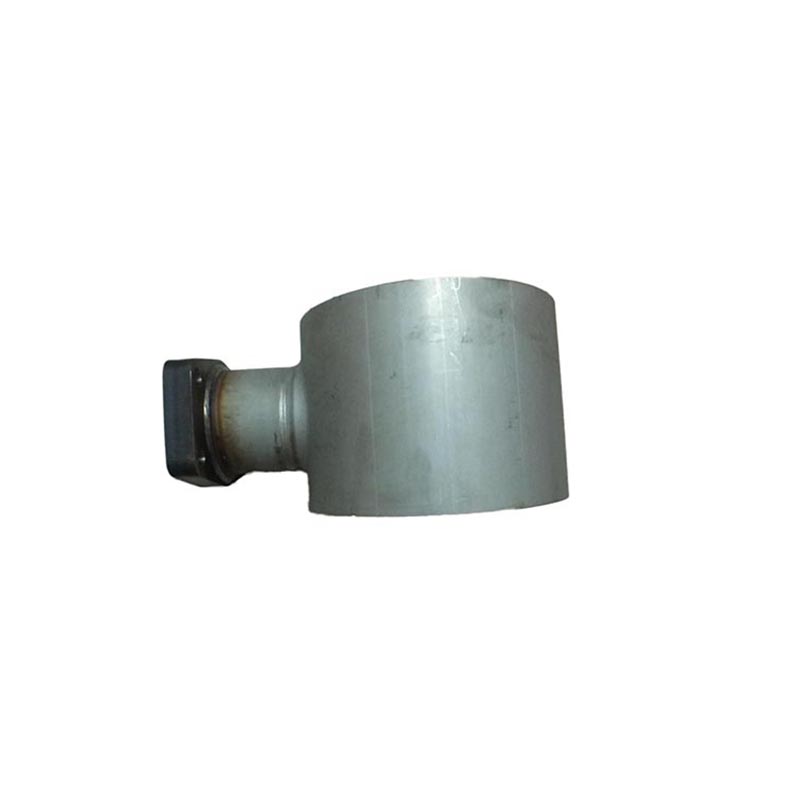
Aluminum engine parts, such as those found in Deutz engine parts, require delicate care to avoid corrosion or discoloration. The soft nature of aluminum makes it susceptible to etching from harsh chemicals, so it’s essential to use the right cleaning methods.
Best Practices for Cleaning Aluminum Parts:
● Use pH-neutral cleaners or natural solutions like lemon juice.
● For deeper cleaning, consider ultrasonic cleaning or commercial aluminum cleaners.
● Avoid abrasive materials that could scratch or dull the surface.
Cast iron engine parts, such as those in MAN B&W engine parts, are more robust than aluminum but still need proper care to avoid rust and damage. Cast iron parts often require more aggressive cleaning methods due to their heavier grease and carbon buildup.
Cleaning Methods for Cast Iron:
● Aqueous Cleaning: Use an aqueous parts washer with high-pressure spray to break down grease and dirt.
● Manual Scrubbing: For localized contaminants, use a soft brush with an appropriate cleaner.
● Drying and Protection: After cleaning, apply a protective coating or rust inhibitor to prevent future corrosion.
When choosing between manual cleaning and automated systems for engine parts, the decision often depends on the scale of operations and the type of engine parts being cleaned.
Advantages of Manual Cleaning:
● Low initial cost.
● Greater control over the cleaning process.
Advantages of Automated Cleaning Systems:
● Higher efficiency, especially for large volumes of parts.
● Consistent cleaning results and reduced labor costs.
Tip: Small shops may benefit from manual methods, while larger facilities with higher throughput should consider investing in automated systems for faster and more consistent cleaning.
High-pressure spray and pneumatic tools are excellent for removing heavy grease and dirt from engine parts like MAN B&W engine parts. These tools apply forceful jets of air or water to clean parts quickly and efficiently.
Best Uses:
● Removing dirt and debris from hard-to-reach areas.
● Cleaning larger parts such as engine blocks and cylinder heads.
Determining how often to clean your engine parts depends on the type of engine and how frequently it is used. For example, Deutz engine parts may require more frequent cleaning in heavy-duty applications, while other engine parts may only need cleaning every few months.
Recommended Cleaning Schedule:
Cleaning Type | Frequency | Best Practices |
Routine Maintenance | Every 3–6 months | Light cleaning, focusing on grease and dirt removal. |
Deep Cleaning | Every 1–2 years | Full cleaning with detailed inspection for wear and corrosion. |
After cleaning engine parts, it’s crucial to apply protective treatments like anti-corrosion sprays or wax coatings to extend their lifespan.
Protective Measures:
● Wax Coating: Apply a thin layer of automotive wax to protect against moisture and oxidation.
● Anti-Corrosion Sprays: Use sprays with PTFE or silicone for added protection.
This article discussed various cleaning methods for engine parts, including Deutz engine parts, Wartsila engine parts, and MAN B&W engine parts. Each method has its pros and cons depending on the material and type of engine parts. Regular cleaning and maintenance are essential to ensure long-term engine efficiency. Wuhan Weyeah Power Machinery Co., Ltd. provides high-quality cleaning equipment that enhances engine performance, offering reliable and efficient solutions for industrial needs.
A: The best method depends on the material of your engine parts. For light cleaning, neutral soap and warm water are effective. For stubborn grease or oxidation, use commercial cleaners or ultrasonic cleaning systems.
A: Aluminum engine parts benefit from natural cleaners like lemon juice and baking soda. For more extensive cleaning, consider ultrasonic cleaning to remove dirt and oxidation without damaging the surface.
A: Regular cleaning of engine parts ensures optimal performance, extends the lifespan of your engine, and prevents buildup that can cause damage. This also reduces the risk of expensive repairs.
A: High-pressure washing can be effective for cleaning engine parts but must be done carefully to avoid damaging sensitive components, especially electrical connectors and seals. Use it on heavy-duty parts like engine blocks.
A: Ultrasonic cleaning is highly effective for engine parts with intricate geometries. It removes deep dirt, oil, and carbon buildup without abrasive damage, making it ideal for parts like fuel injectors and cylinder heads.