

Views: 0 Author: Site Editor Publish Time: 2025-12-23 Origin: Site


Internal combustion engines are the heart of many machines we rely on daily. But what makes them work smoothly? The answer lies in their intricate engine parts.
In this article, we will dive deep into the essential components of an engine. You will understand how each part contributes to the overall performance, and how specific brands like Deutz, Wartsila, and MAN B&W enhance engine efficiency.
The piston is one of the most crucial components of an engine. It is located inside the cylinder and moves up and down in response to the combustion process. As fuel ignites, it pushes the piston downward, generating mechanical power that is transmitted to the crankshaft. The piston plays an essential role in converting chemical energy from the fuel into mechanical energy. Without the piston, the engine would not be able to produce the power needed to drive the vehicle or machine.
The piston’s precise movement ensures the proper compression of the air-fuel mixture, which is critical for efficient combustion. Over time, pistons must withstand intense heat and pressure, so their material must be both durable and heat-resistant.
The crankshaft is responsible for converting the reciprocating motion of the piston into rotational motion. It is connected to the pistons through the connecting rods and spins to transfer the mechanical energy to other engine components, like the transmission. The crankshaft is essential for power transmission, and its precise balance is crucial for smooth engine operation.
A poorly balanced crankshaft can cause vibrations, leading to engine wear and reduced efficiency. Crankshafts are typically made from high-strength steel or cast iron to withstand the forces acting on them.
The connecting rod links the piston to the crankshaft, acting as a vital intermediary that converts the piston's up-and-down motion into the rotational motion of the crankshaft. The connecting rod must be strong enough to handle the high forces exerted during the combustion process. Its design and material directly impact the engine’s performance and durability.
Manufacturers carefully select materials for connecting rods, such as forged steel or aluminum alloys, to balance strength and weight. Optimizing the connecting rod can improve engine efficiency, reduce wear, and increase overall longevity.
The cylinder block is the engine's primary structure, housing the cylinders where combustion takes place. It also contains passages for coolant and oil, which help regulate the engine's temperature and lubricate moving parts. The design and material of the cylinder block are critical for the engine’s performance and heat management. Typically made from cast iron or aluminum alloy, the cylinder block ensures durability and stability under high stress.
A well-designed cylinder block helps improve cooling efficiency, which is essential for maintaining engine performance and preventing overheating.
Component | Function | Material Considerations | Impact on Performance |
Piston | Moves up and down to generate mechanical power. | Durable, heat-resistant materials. | Ensures efficient combustion and power generation. |
Crankshaft | Converts reciprocating motion to rotational motion. | High-strength steel or cast iron. | Critical for power transmission, balance ensures smooth operation. |
Connecting Rod | Links piston to crankshaft and converts motion. | Forged steel or aluminum alloys. | Affects engine efficiency, wear, and longevity. |
Cylinder Block | Houses cylinders, coolant, and oil passages. | Cast iron or aluminum alloy. | Ensures engine stability and effective cooling. |
The cylinder head sits atop the cylinder block and is integral to controlling the flow of air and exhaust gases. It houses the intake and exhaust valves, the camshaft, and in some cases, the fuel injectors. By controlling the timing of the intake and exhaust valves, the cylinder head ensures that air-fuel mixtures enter the combustion chamber at the right time and that exhaust gases exit efficiently.
Different engine brands, such as Deutz and Wartsila, have their own cylinder head designs optimized for specific performance needs. For example, Deutz engines often feature advanced cooling systems within the cylinder head to enhance thermal efficiency.
The intake and exhaust valves play a crucial role in regulating the flow of air and exhaust gases into and out of the combustion chamber. The intake valves allow the air-fuel mixture to enter, while the exhaust valves release the gases after combustion. Their precise operation is key to ensuring efficient combustion and preventing engine misfires.
Valves must open and close at precisely timed intervals. In modern engines, variable valve timing (VVT) systems are used to adjust the timing dynamically for optimal performance under different driving conditions.
Fuel injectors are integral to modern engines, especially diesel engines. The fuel injection system delivers precise amounts of fuel to the combustion chamber at specific times, ensuring efficient combustion. Unlike older carbureted systems, fuel injection systems atomize the fuel, providing better mixing with air, which leads to improved combustion efficiency and reduced emissions.
Brands like Cummins and MAN B&W have engineered advanced fuel injection systems, making their engines more efficient and reducing fuel consumption. This innovation has played a significant role in increasing the power output and reducing the environmental impact of diesel engines.
The air filter is responsible for removing dirt, dust, and other debris from the air before it enters the engine. Clean air is essential for maintaining engine performance, as contaminants can cause internal damage and reduce efficiency. The intake manifold then distributes the filtered air to the cylinders for combustion.
A clogged air filter can limit airflow, causing the engine to run rich and reducing fuel efficiency. Regular maintenance of the air intake system is crucial for keeping the engine running smoothly.
A turbocharger is a forced induction system that increases the amount of air entering the engine, resulting in a boost in power. By using exhaust gases to spin a turbine, the turbocharger forces more air into the cylinders, allowing the engine to burn more fuel and produce more power. This is particularly beneficial for diesel engines used in trucks and heavy machinery.
Turbochargers are commonly found in high-performance vehicles and industrial engines, providing increased power without significantly increasing engine size.
The exhaust manifold collects exhaust gases from the cylinders and directs them into the exhaust system. The catalytic converter is an essential part of this system, as it reduces harmful emissions like carbon monoxide and nitrogen oxides, helping engines comply with environmental regulations.
Modern engines are designed with exhaust systems that improve fuel efficiency, reduce noise, and minimize emissions.
The cooling system prevents the engine from overheating by circulating coolant through the engine to absorb excess heat. The water pump ensures the coolant flows through the engine, while the radiator dissipates heat from the coolant to maintain an optimal temperature.
A properly functioning cooling system is essential to prevent engine failure caused by overheating. Regularly checking the coolant levels and ensuring the radiator and water pump are functioning optimally can extend the engine's lifespan.
The oil pump circulates oil throughout the engine, lubricating moving parts and reducing friction. The oil filter removes contaminants from the oil, ensuring that the engine remains clean and efficient. Without proper lubrication, engine components can wear out quickly, leading to costly repairs.
Regular oil changes and using the correct type of oil are essential to maintaining engine performance and longevity.
One of the most common lubrication issues is oil leaks, which can occur when seals or gaskets wear out. These leaks can cause low oil levels, which may lead to engine damage if not addressed promptly. It is essential to regularly inspect for leaks and top off oil levels as needed.
Another issue is fuel contamination, which can affect the engine's performance by clogging the fuel system. Keeping the fuel system clean and using high-quality fuel can prevent this problem.
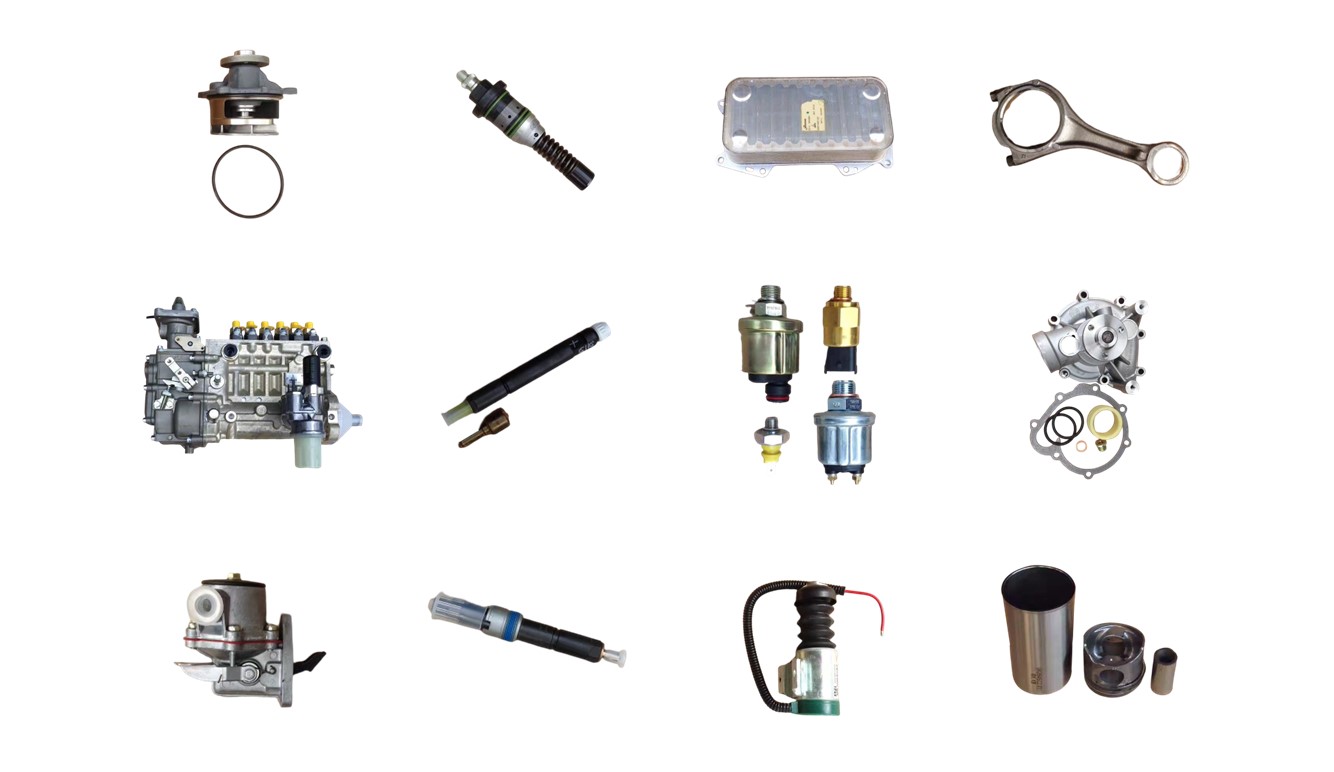
Deutz engines are renowned for their reliability and efficiency, especially in industrial applications. Their engine parts are designed for durability, with a focus on reducing fuel consumption and emissions. Deutz’s fuel injection systems are optimized for high performance and low environmental impact, making them popular in agriculture and construction machinery.
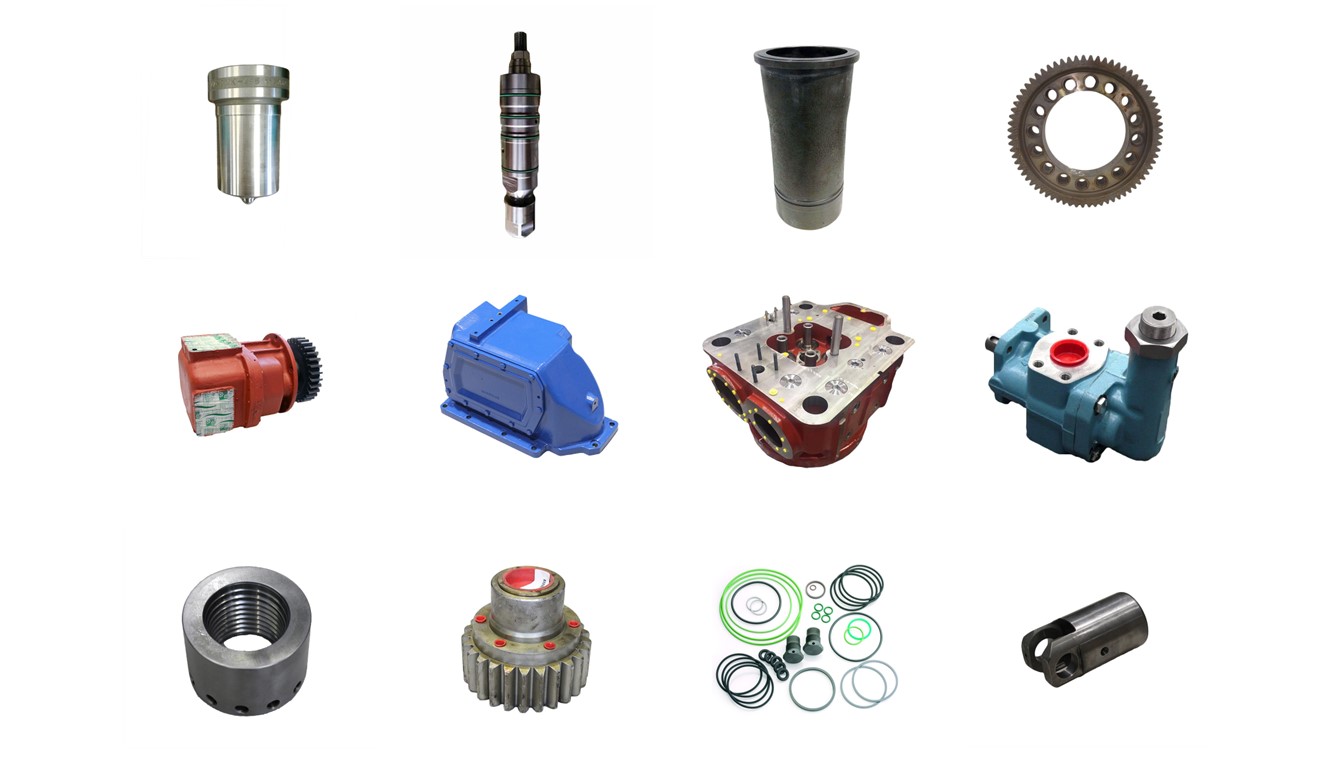
Wartsila specializes in large engines for marine and industrial applications. Their parts are designed for extended service life and high performance under demanding conditions. Wartsila engines are known for their efficiency, and their cooling systems are engineered to handle large power outputs, which is critical in marine applications.
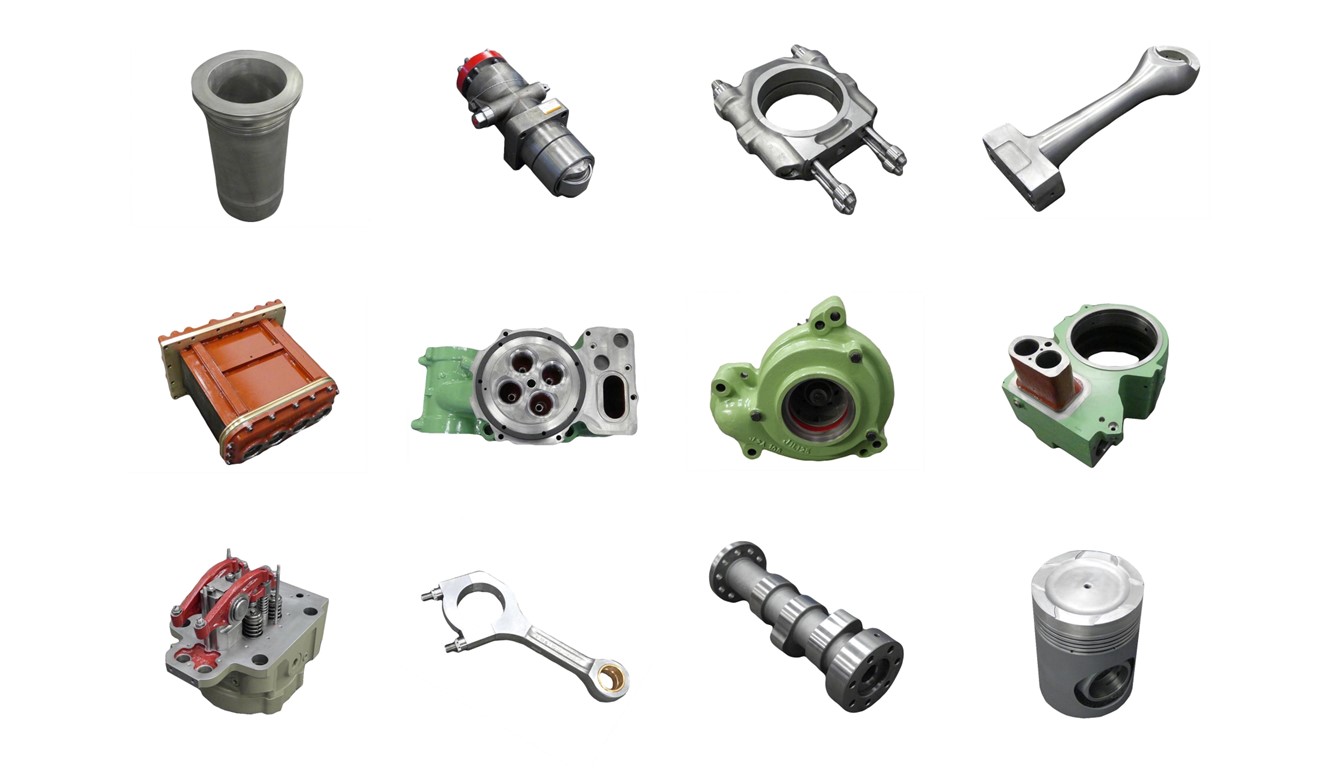
MAN B&W is a leader in high-performance diesel engines, particularly for large ships and power plants. Their engines feature advanced turbocharging systems and robust exhaust management components to ensure durability and efficiency. MAN B&W engines are built to withstand harsh environments, making them ideal for demanding industrial and maritime uses.
One of the most common engine issues is overheating, which can be caused by a range of factors including coolant leaks, faulty thermostats, or a blocked radiator. Overheating can lead to significant damage to key engine components, such as the crankshaft and pistons. Regular maintenance and monitoring of the cooling system are essential to prevent overheating.
Oil leaks often occur due to worn seals or gaskets. These leaks can lead to low oil levels, resulting in poor lubrication and engine damage. It is essential to regularly check for oil leaks and replace faulty gaskets to maintain engine performance.
Fuel contamination, caused by water or dirt entering the fuel system, can damage components like fuel injectors and reduce engine efficiency. Regular fuel system maintenance and using clean fuel can prevent this issue.
Faulty fuel injectors can lead to poor fuel atomization, causing black smoke and reduced engine performance. Over time, cylinder heads can also develop cracks, which can lead to compression loss and overheating. These issues can be addressed through regular inspections and timely repairs.
Understanding the role of various engine parts is key to maintaining engine performance. Proper maintenance ensures that each component functions optimally, enhancing the engine's longevity. Choosing high-quality parts from reputable brands like Deutz, Wartsila, and MAN B&W can significantly improve efficiency. Wuhan Weyeah Power Machinery Co., Ltd. provides reliable engine components designed for durability and performance, offering value through their high-quality products and expert services.
A: The main engine parts include the piston, crankshaft, connecting rod, cylinder block, and cylinder head. Each plays a critical role in converting fuel into mechanical power.
A: Engine parts like the piston, crankshaft, and connecting rods work together to generate power. The piston moves up and down, while the crankshaft converts this motion into rotation for the vehicle.
A: Regular maintenance of engine parts helps ensure the engine runs smoothly, preventing breakdowns and extending the engine's lifespan. It also boosts performance and fuel efficiency.
A: Overheating, poor lubrication, and lack of maintenance can cause engine parts to wear out. This can lead to reduced performance and costly repairs.
A: When choosing engine parts, consider factors like compatibility with your vehicle, quality, and brand reputation. Brands like Deutz and MAN B&W offer reliable options for high performance.