

Views: 0 Author: Site Editor Publish Time: 2025-12-22 Origin: Site


Cleaning engine parts is often overlooked, yet it's crucial for optimal performance. Dirty engine components can affect efficiency and lifespan. In this article, we will explore effective ways to clean engine parts, the tools you’ll need, and the benefits of keeping them clean. You’ll learn how regular cleaning can improve engine performance and prevent costly repairs.
Engine parts collect grease, dirt, carbon deposits, and oil sludge over time. These contaminants hinder airflow, reduce cooling efficiency, and negatively impact engine performance. Cleaning engine parts regularly helps remove these buildups, improving airflow and enhancing engine performance.
Cleaning components like intake manifolds, cylinders, and pistons ensures that the engine runs smoothly. It allows for better combustion, which improves fuel economy and reduces engine wear. A clean engine also allows for better heat dissipation, helping the engine run cooler and more efficiently.
A well-maintained engine lasts longer. Dirt and sludge buildup lead to rust and corrosion, which can degrade critical components. Regular cleaning helps prevent these issues by removing the harmful substances that cause wear and tear. Over time, this maintenance routine minimizes the risk of severe damage and extends the life of engine parts.
For example, cleaning Wartsila Engine Parts involves removing accumulated debris and corrosion-causing agents, ultimately enhancing part longevity. Clean parts are less likely to experience excessive friction or overheating, which are major contributors to premature engine failure.
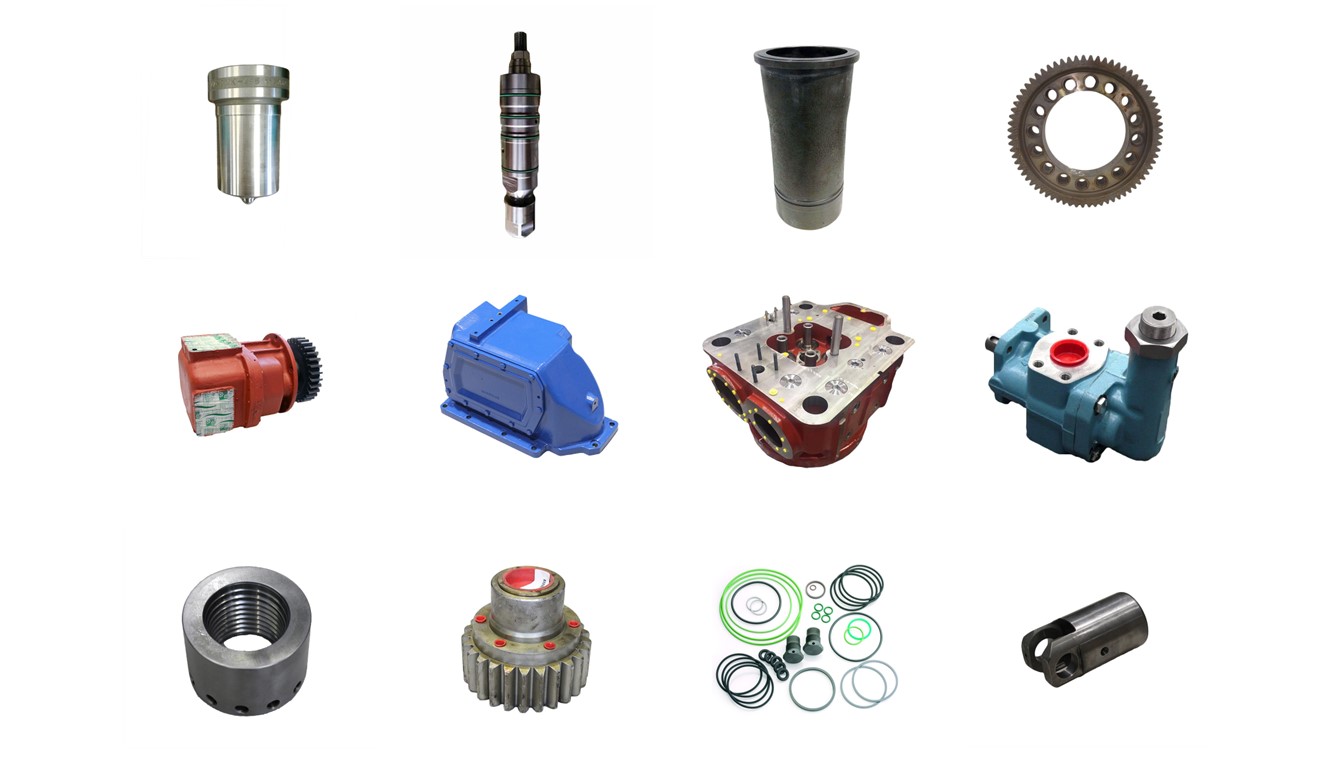
One of the key advantages of cleaning engine parts is that it allows for early detection of potential issues. Clean components make it easier to spot leaks, corrosion, or worn-out parts, which might otherwise go unnoticed. Regular inspection during cleaning can help identify issues before they cause a breakdown.
For instance, inspecting Deutz Engine Parts during cleaning can reveal oil leaks or wear on seals that might otherwise be overlooked. Early detection allows for timely repairs, preventing costly failures and downtime.
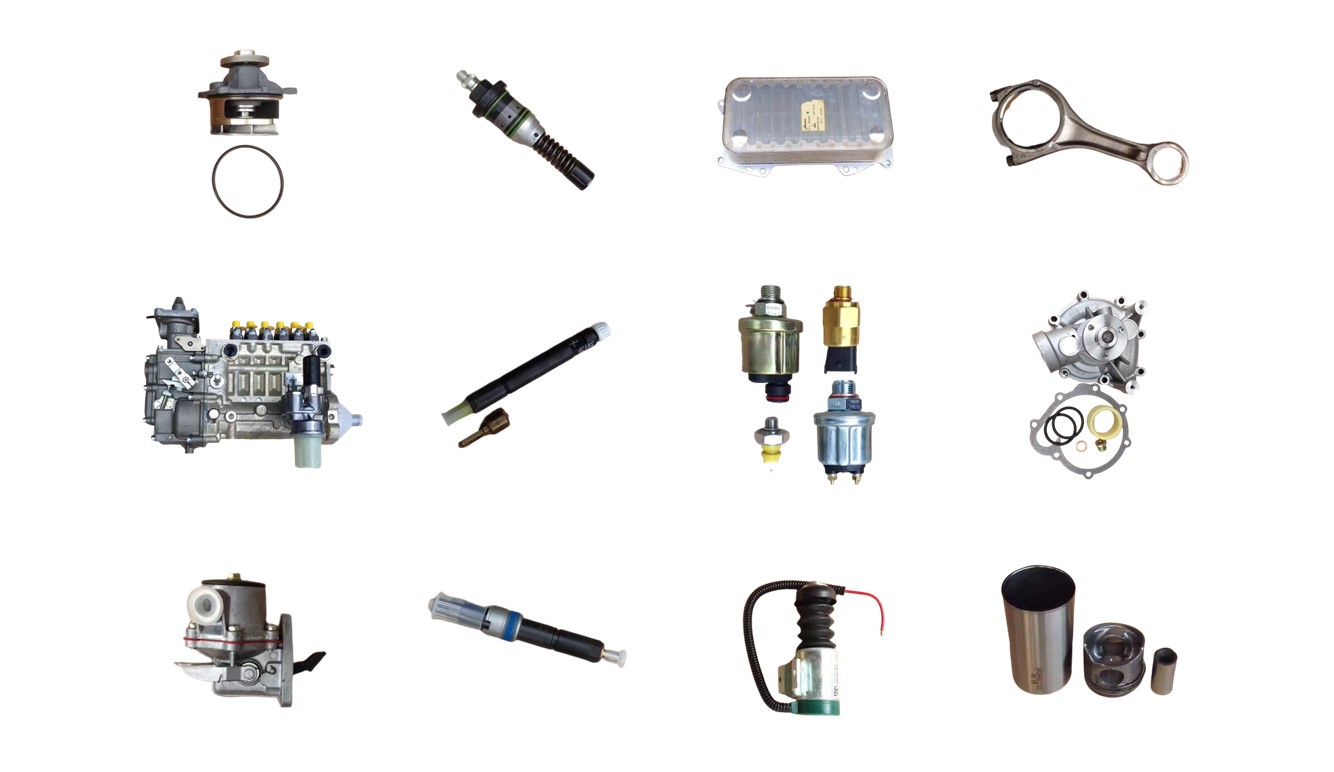
When you clean your engine parts, the entire engine bay looks more presentable, signaling good maintenance to potential buyers. A clean engine can increase your vehicle’s resale value, as it demonstrates that the car has been well cared for. Buyers are often more confident in a vehicle that has a clean engine, as it indicates less likelihood of hidden issues.
Cleaning engine parts effectively depends on the level of contamination and the type of material. From routine maintenance to deep cleaning, choosing the right method can ensure that engine components stay in optimal working condition.
Gentle cleaning methods are ideal for routine maintenance or lightly soiled engine parts. These methods are typically used when parts have minimal grease buildup or light oxidation. The most common approach is using a mild cleaner like Simple Green All-Purpose Cleaner, mixed with warm water. This method works well for parts that do not have heavy grease or deep carbon deposits, such as valve covers, throttle bodies, and other components that require frequent cleaning.
1. Spray Cleaner: Apply the cleaner generously to the engine parts, ensuring full coverage.
2. Use a Soft Brush: Agitate the surface gently with a non-metallic brush to loosen dirt, grime, and other contaminants.
3. Rinse and Dry: Rinse the engine parts thoroughly with clean water, ensuring all cleaner residues are washed off. Then, use a microfiber cloth or compressed air to dry the parts completely.
This cleaning method is simple, effective, and safe for delicate engine components. It’s perfect for light buildup and helps maintain the engine’s aesthetic and functionality.
For engine parts exposed to heavy contamination, such as Wartsila Engine Parts, or those heavily coated with oil, dirt, or carbon deposits, more aggressive cleaning methods are necessary. These techniques help break down stubborn carbon buildup and deep oxidation that cannot be removed with mild cleaners.
Ultrasonic cleaning uses high-frequency sound waves to create microscopic bubbles in a liquid solution. These bubbles collapse, generating microscopic pressure that dislodges contaminants from the surfaces of engine parts. Ultrasonic cleaning is especially effective for parts with intricate geometries and small passages, such as fuel injectors, cylinder heads, and valve components. The process reaches even the smallest internal areas, ensuring a thorough clean without damaging sensitive parts.
Soda blasting involves blasting engine parts with sodium bicarbonate (baking soda). It is effective for removing carbon deposits and light corrosion without causing damage to delicate components. This method is commonly used for aluminum parts and other softer metals, as baking soda is non-abrasive and leaves minimal residue.
Polishing engine parts with abrasive compounds restores the shine to aluminum surfaces and removes oxidation. For parts that have suffered aesthetic wear over time, such as aluminum valve covers, mechanical polishing can bring back their original luster. The process involves using a polishing compound, often combined with a polishing wheel or pad, to buff the surface to a smooth, reflective finish. This method is especially useful for parts that require both functional cleaning and cosmetic restoration.
When cleaning Deutz Engine Parts or any other specialized engine parts, it is crucial to select the appropriate cleaner for each material type. Different metals, such as aluminum, cast iron, and stainless steel, may require specific cleaning solutions to avoid damage while ensuring effective cleaning.
● Aluminum Parts: Often need a gentle cleaner like citric acid or a pH-neutral solution to dissolve oxidation and prevent etching. These cleaners are effective at removing surface oxidation without compromising the integrity of the metal.
● Cast Iron Components: Cast iron is more resistant to corrosion but can still accumulate stubborn oil deposits. A more robust cleaning solution, such as alkaline-based cleaners, can break down oil and carbon buildup effectively.
● Stainless Steel: Stainless steel is durable and resistant to corrosion, but it may require a specialized cleaner to maintain its shine while removing grease and dirt. A mild, non-corrosive cleaner is ideal to protect its finish.
By selecting the right cleaner for each engine part, you can ensure both efficiency and safety in the cleaning process, prolonging the lifespan of critical components.
Before you start cleaning engine parts, ensure you have the proper tools and safety gear.
● Non-metallic Brushes: Use brushes with soft bristles to avoid scratching the engine parts.
● Air Compressor: An air compressor helps blow away loose dirt and moisture from tight crevices.
● Microfiber Cloth: For drying parts and wiping down surfaces without leaving lint behind.
● Plastic Bags and Tape: To protect sensitive electrical components and seals from water damage.
● Gloves and Goggles: Always wear gloves to protect your skin from chemicals, and goggles to protect your eyes from splashes.
● Long Sleeve Clothing: Prevents skin exposure to harsh cleaners and oils.
Some engine parts, like cylinder heads and intake manifolds, may need partial disassembly for thorough cleaning. Removing components like gaskets and sensors improves access to difficult-to-reach areas and ensures more effective cleaning.
● Remove Detachable Parts: Parts like seals and sensors can be removed to avoid water exposure.
● Inspect for Wear and Tear: Check for signs of corrosion, cracks, or other damage that might affect the cleaning process.
Before cleaning, always ensure that the engine is cool to avoid any risk of warping. Check for oil leaks beneath the car and clear away debris from the engine bay. This preparation helps ensure safety and better access to the parts that need cleaning.
Heavy oxidation and stains from oil or coolant can be tough to remove. For Deutz Engine Parts, it’s essential to use professional-grade cleaners or citric acid to break down the oxidation. If the oxidation is deep, mechanical cleaning methods such as wet-sanding or ultrasonic cleaning may be necessary.
● Use citric acid to dissolve light oxidation.
● For deep oxidation, combine wet-sanding with a polishing paste to restore the finish.
During cleaning, be cautious not to cause further corrosion. Some aggressive cleaners can damage the protective oxide layer on aluminum. Always use non-corrosive cleaners and avoid harsh abrasives.
● Stick to pH-neutral cleaners for aluminum.
● Regularly apply a protective wax layer after cleaning to prevent corrosion.
Cleaning Method | Suitable For | Effectiveness | Pros | Cons |
Gentle Cleaning | Lightly soiled parts | 80%+ of surface dirt | Easy, cost-effective | Not effective for heavy buildup |
Ultrasonic Cleaning | Intricate parts, small passages | 99%+ of contaminants | High precision, no contact | Expensive, requires special equipment |
Mechanical Polishing | Oxidized and worn parts | Restores 90%+ shine | Aesthetic restoration | Requires skill, abrasive |
Soda Blasting | Aluminum and soft metals | 95% of light buildup | Safe for delicate parts | Dusty, single-use media |
Cleaning engine parts is essential for maintaining engine performance and longevity. Regular cleaning prevents buildup that can affect efficiency and reduce lifespan. Choosing the right cleaning method for different engine parts ensures optimal results. For businesses looking for quality machinery, Wuhan Weyeah Power Machinery Co., Ltd. provides powerful, efficient products that enhance engine maintenance, delivering long-lasting value and improving operational efficiency.
A: Regular cleaning of engine parts prevents buildup, improves performance, and extends the engine's lifespan.
A: The best methods include using mild cleaners for routine maintenance and ultrasonic cleaning for heavy contamination.
A: Engine parts should be cleaned every 3-6 months for light maintenance and every 1-2 years for deep cleaning.
A: Yes, cleaning engine parts helps detect early issues, like leaks or wear, preventing costly repairs.
A: Essential tools include non-metallic brushes, air compressors, microfiber cloths, and safe cleaning products.