

Views: 0 Author: Site Editor Publish Time: 2025-12-26 Origin: Site


Aluminum is widely used in engine parts for its lightweight and corrosion-resistant properties. However, over time, oxidation can dull its surface, affecting both its appearance and performance. In this article, we will discuss how to effectively brighten aluminum engine parts and restore their original shine. You will learn about the best cleaning methods, tools, and protective measures to keep your engine parts looking new.
Aluminum is a highly reactive metal that naturally forms an oxide layer when exposed to air and moisture. This oxide layer, while serving as a protective barrier against deeper corrosion, can cause the aluminum surface to appear dull and chalky. The thicker this oxide layer becomes, the more noticeable the discoloration. In essence, aluminum doesn’t rust like iron, but it does oxidize and lose its shiny appearance over time.
Tip: Light oxidation can be removed easily with mild cleaners, but thick layers of oxidation require advanced cleaning methods.
Aluminum engine parts are often exposed to various contaminants such as engine oil leaks, road salt, and other pollutants. These contaminants not only dull the surface but can also accelerate the oxidation process. For example, oil leaks mixed with engine heat form carbonized sludge, which adheres to aluminum surfaces and makes cleaning difficult. Road salt, especially in winter, leaves chloride-based residues that attract moisture, promoting further corrosion. Environmental pollutants like acid rain can etch the aluminum surface, causing permanent damage if not cleaned properly.
Cleaning aluminum parts is not without its challenges. The aluminum oxide layer, while protective, can be difficult to remove. Improper cleaning techniques can damage the metal, leaving scratches or causing uneven finishes. Moreover, many aluminum engine parts have intricate shapes or tight spaces where contaminants can build up, requiring special cleaning techniques to reach these areas effectively.
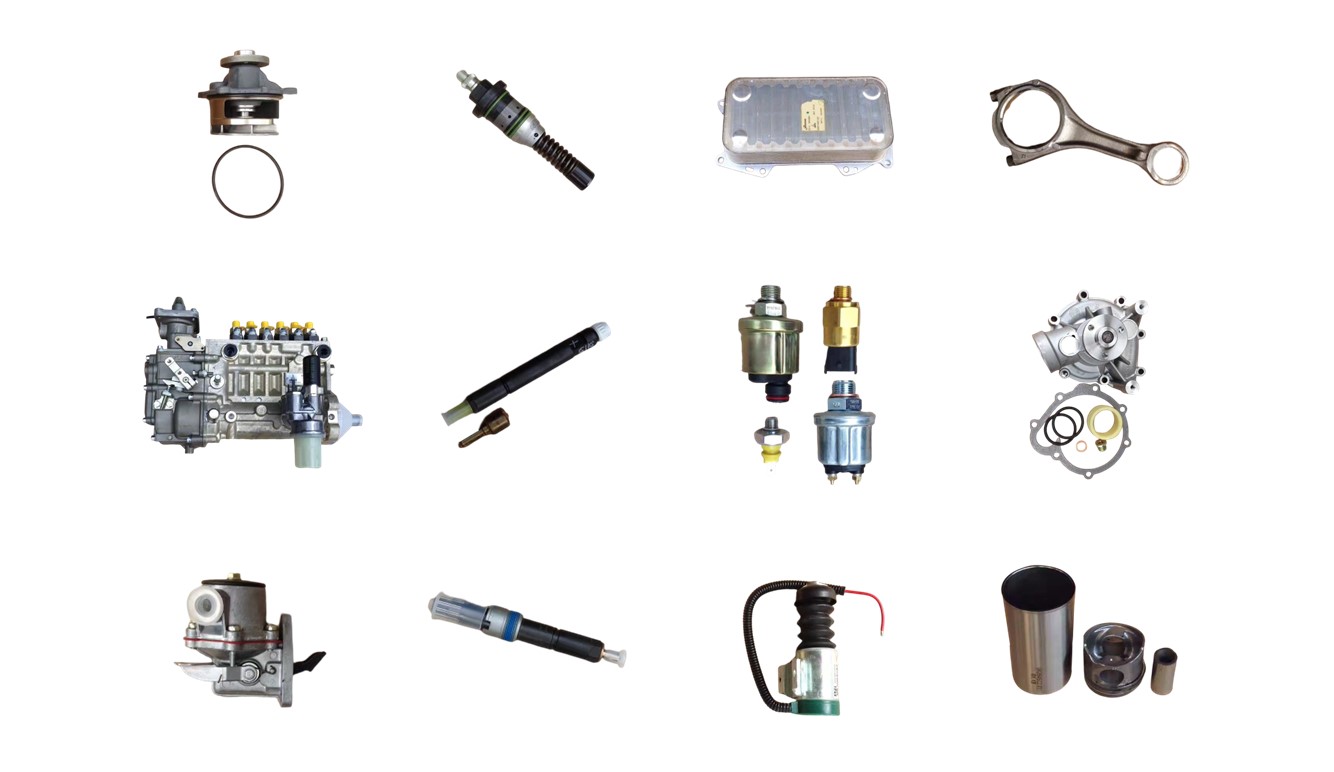
Before cleaning begins, it's crucial to inspect the aluminum engine parts for any signs of severe wear or corrosion. This initial assessment helps ensure that cleaning will not worsen existing damage. For complex parts like cylinder heads, intake manifolds, or throttle bodies, partial disassembly may be necessary to ensure access to hard-to-reach areas. During the inspection, also check seals, gaskets, and electrical connectors to ensure they are protected during cleaning.
The right tools and safety gear are essential for effective cleaning and ensuring personal protection. Below are the necessary items:
Tool | Purpose | Recommendation |
Nylon Brushes | To gently scrub aluminum parts without causing scratches | Choose brushes with bristles softer than 60 Shore D to protect the surface. |
Microfiber Cloths | To remove dirt and wipe surfaces without leaving lint | Ideal for drying and polishing aluminum without leaving marks. |
Safe Cleaners | To break down oxidation and grease safely | Neutral pH detergents or natural solutions like lemon juice or vinegar. |
Safety Gear (Gloves, Goggles) | To protect skin and eyes from chemicals | Always wear gloves and goggles when using cleaning agents to prevent irritation. |
Tip: Always conduct a spot test before applying cleaning agents to ensure no unwanted effects on the aluminum surface.
For light oxidation, mild cleaning agents can effectively remove the buildup without causing harm to the aluminum. Common household products like lemon juice, vinegar, and baking soda work wonders for this purpose. Lemon juice and vinegar contain citric and acetic acids, respectively, which react with the oxide layer and soften it for easy removal. This process can remove up to 80% of light oxidation within 10-15 minutes.
For parts with heavy contamination or deep oxidation, more advanced methods are required. Commercial aluminum cleaners, often with a pH-neutral formula, are specially designed to dissolve stubborn oils, carbon deposits, and deep oxidation without damaging the metal. Additionally, mechanical polishing using fine abrasive compounds can help restore a near-mirror finish by smoothing out rough patches caused by oxidation.
Ultrasonic cleaning uses high-frequency sound waves to create microscopic bubbles that collapse in the cleaning solution, generating a powerful cleaning action. This method is especially effective for parts with internal channels or intricate geometries, like Deutz Engine Parts or Wartsila Engine Parts. Ultrasonic cleaning can achieve up to 99% cleaning efficiency and is ideal for deep cleaning without causing abrasion.
Cleaning Method | Effectiveness | Best For |
Ultrasonic Cleaning | 99% cleaning efficiency, gentle on surfaces | Parts with narrow channels, complex geometries, deep cleaning |
Mechanical Polishing | Restores near-mirror finish | Parts with heavy oxidation or stubborn grease buildup |
Chemical Cleaning (Aluminum Cleaners) | Removes oil, grease, and oxidation | Standard cleaning of moderately oxidized aluminum parts |
After cleaning, polishing aluminum engine parts helps restore their original shine. Polishing pastes designed for aluminum contain fine abrasive particles that smooth out any remaining oxidation marks and micro-defects on the surface. This process enhances reflectivity and gives the part a glossy finish, making it look brand new again.
Example: A Wartsila Engine Part restored with polishing paste can achieve up to 90% of its original gloss.
Once your aluminum engine parts are clean and polished, applying a protective coating is essential. Automotive wax or anti-corrosion sprays provide a hydrophobic barrier that prevents moisture and contaminants from sticking to the surface. These coatings protect the aluminum from oxidation and environmental damage, significantly extending the lifespan of the parts.
Protective Coating | Benefit | Recommended For |
Automotive Wax | Forms a hydrophobic barrier to prevent oxidation | General protection for cleaned and polished parts |
Anti-Corrosion Sprays | Protects against road salt, moisture, and contaminants | Ideal for parts exposed to harsh environments |
Tip: Apply a thin, even layer of wax or spray to ensure complete coverage of the part.
Routine maintenance is key to ensuring that aluminum engine parts remain in optimal condition. Light cleaning should be performed every 3-6 months, while a deep cleaning should be scheduled every 1-2 years or whenever an engine overhaul occurs. Regular cleaning can help reduce corrosion by up to 50% and prevent the buildup of contaminants that could affect the performance of the engine.
After the cleaning and polishing process, applying a protective coating is critical. Whether you choose automotive wax or an anti-corrosion spray, regular application can prevent future oxidation. It’s also important to regularly inspect aluminum engine parts for any signs of wear, cracks, or potential issues. Performing these checks every 6 months ensures early detection of any problems, such as oil leaks or corrosion.
Tip: When aluminum parts are exposed to harsh environments (like coastal areas or winter roads), increase the inspection frequency to every 3-4 months.
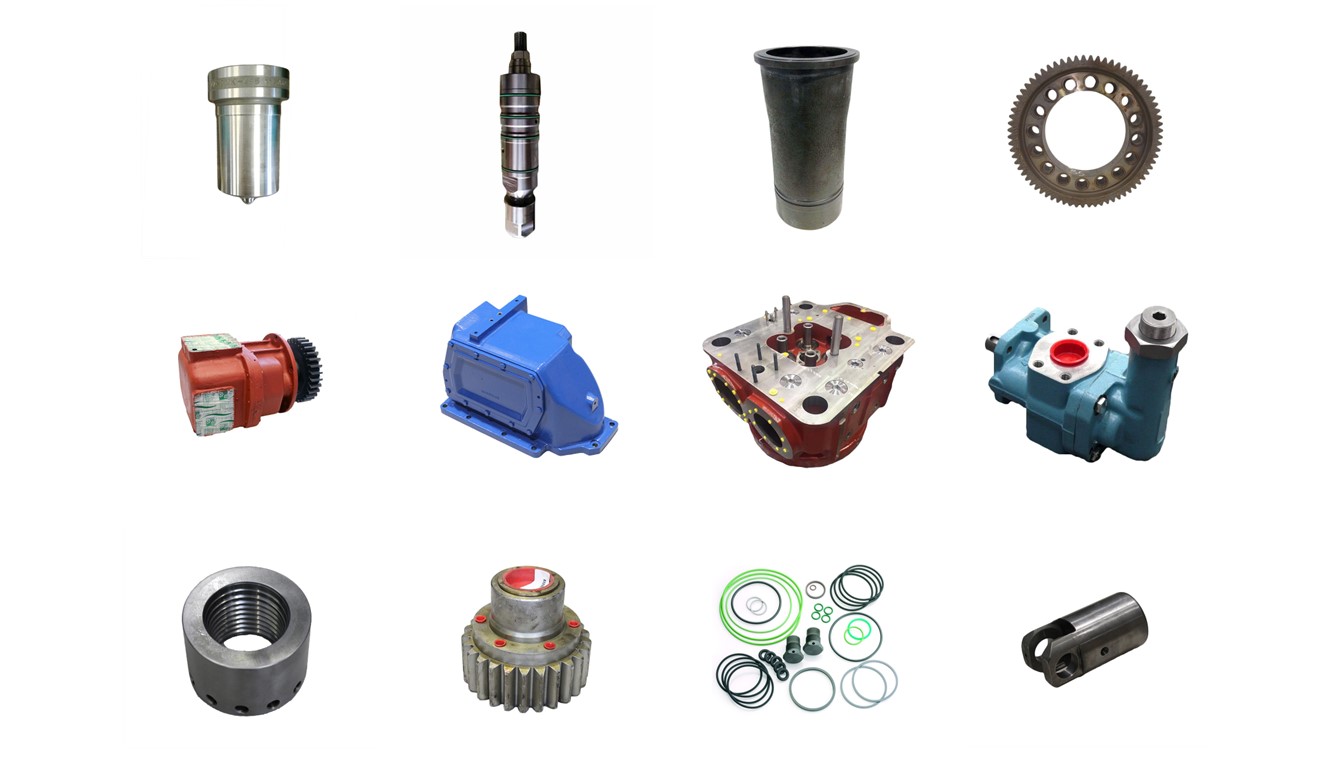
To brighten aluminum engine parts, it’s essential to choose the right cleaning method, perform regular maintenance, and apply protective coatings. Proper cleaning and protection not only enhance the appearance but also extend the durability of aluminum parts. At Wuhan Weyeah Power Machinery Co., Ltd., we offer high-quality cleaning products that provide excellent corrosion resistance, ensuring your engine parts remain in top condition for longer.
A: To brighten aluminum engine parts, use mild cleaning agents like vinegar, lemon juice, or specialized aluminum cleaners. After cleaning, apply a protective coating to maintain the shine.
A: The best method depends on the level of oxidation. For light oxidation, mild solutions like baking soda and vinegar work well. For heavy contamination, ultrasonic cleaning or mechanical polishing is recommended.
A: It's recommended to clean aluminum engine parts every 3-6 months for regular maintenance. Deep cleaning should be done every 1-2 years or during an engine overhaul.
A: Oxidation occurs when aluminum reacts with air and moisture, forming an oxide layer. While this layer protects the metal from rust, it can cause a dull, chalky appearance on engine parts.
A: Yes, by regularly cleaning and applying a protective coating like wax or anti-corrosion spray, you can prevent oxidation and extend the lifespan of your aluminum engine parts.
A: Restoring shine requires cleaning off oxidation, followed by polishing with aluminum-specific paste. Finish by applying a protective layer to maintain the brightness.