

Views: 0 Author: Site Editor Publish Time: 2025-12-25 Origin: Site


Can engine parts really benefit from powder coating? This innovative process is becoming more popular in the automotive industry, offering enhanced durability and protection. But does it truly suit the demanding conditions of engine components?
In this article, we will explore the potential of powder coating for engine parts. You will learn about its benefits, applications, and challenges in automotive use.
Powder coating is a dry finishing process that uses a powder-based material instead of traditional liquid paint. The powder particles are electrostatically charged, which allows them to cling to metal parts. Once applied, the parts are baked in an oven at high temperatures, causing the powder to melt and form a hard, durable finish. Unlike traditional paint, powder coating doesn't rely on solvents, making it a more environmentally friendly option.
This process is widely used in various industries due to its excellent finish and protection. However, when it comes to engine parts, it’s important to consider the unique conditions these components face, including high temperatures and exposure to chemicals.
Powder coating is commonly applied to a variety of automotive parts, from rims to chassis. In the automotive industry, powder coating is frequently used for:
● Rims
● Oil pans
● Engine mounts
● Chassis
● Springs and sway bars
These parts benefit from powder coating due to its ability to resist scratches, corrosion, and harsh conditions, which are especially common in engine compartments.
Engine parts are exposed to high temperatures, heat cycles, and corrosive chemicals. Naturally, this raises the question: can powder coating handle these extreme conditions? The answer is yes, but with some important considerations.
Powder coatings designed for engine parts need to be able to withstand high heat, chemicals, and the mechanical stresses found under the hood. While standard powder coatings may not be suitable for engine blocks, certain high-temperature coatings are specifically formulated to handle these demanding environments.
For example, high-temperature powders like those from TIGER Drylac are used by OEMs to protect components in these harsh environments. These specialized coatings offer exceptional heat resistance, making them a suitable choice for engine parts that are constantly exposed to high temperatures.
Not all powder coatings are created equal, especially when it comes to engine parts. Depending on the requirements—such as heat resistance and chemical durability—different powder coatings are needed.
● TIGER Drylac Functional Coatings: Designed for extreme heat and chemical resistance, these coatings are often used on engine parts.
● High-Temperature Powder Coatings: These coatings are specifically formulated to withstand the high temperatures generated by engine components.
These coatings help protect engine parts like oil pans, mounts, and other under-the-hood components from wear and tear, ensuring they last longer while maintaining their appearance.
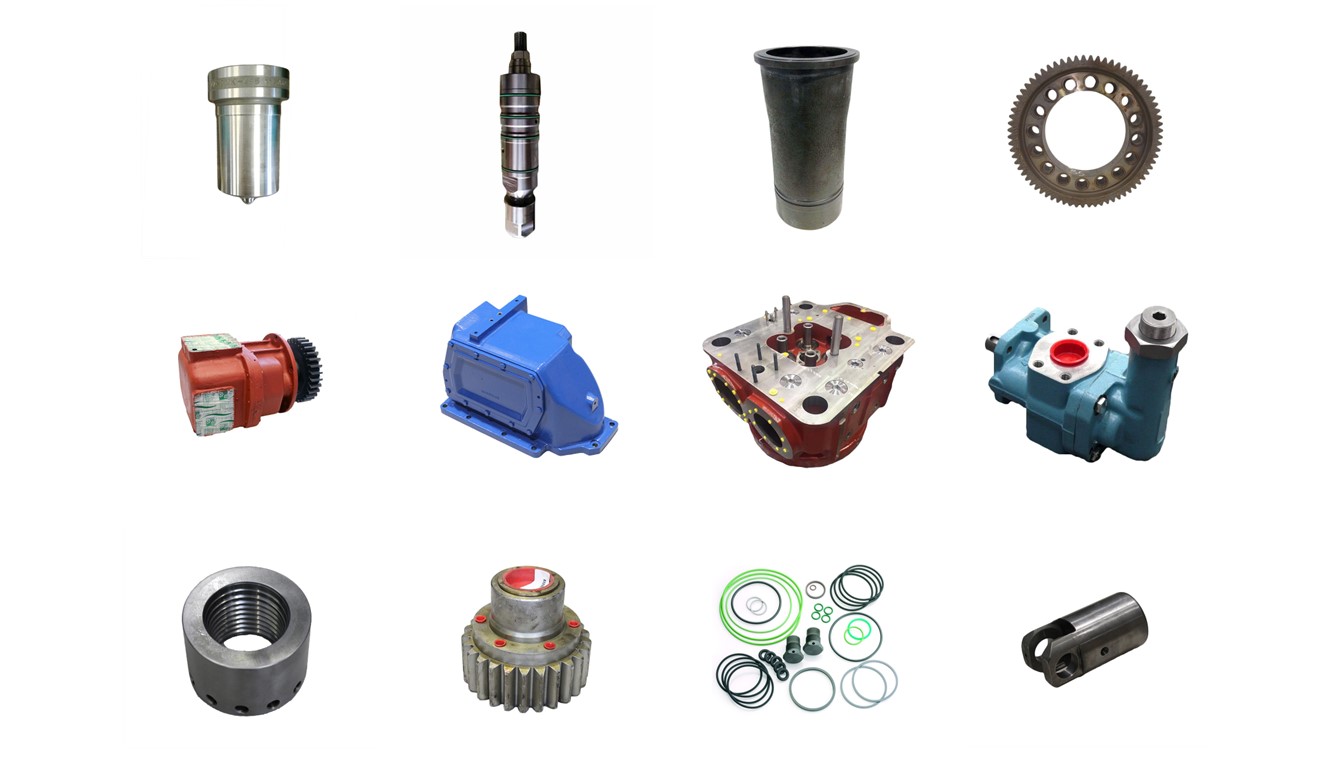
One of the primary benefits of powder coating is its ability to resist corrosion. Engine parts are constantly exposed to contaminants like oil, grease, water, and chemicals, all of which can lead to rust and corrosion. Powder coating creates a protective barrier that helps shield parts from these damaging elements, greatly improving their lifespan and functionality.
For example, powder-coated engine parts are less likely to suffer from the kind of pitting and rust that can reduce their performance over time. This is especially critical for parts exposed to fluids, such as oil pans and exhaust components.
Engine compartments are hot. Typical operating temperatures for a gasoline engine range between 195°F and 220°F (90°C to 104°C), but certain components can exceed these temperatures. Powder coatings designed for engine parts, especially those that handle high temperatures, can protect against heat-related damage.
High-temperature powder coatings are engineered to maintain their integrity even when exposed to extreme conditions. This ensures that the finish remains intact, providing continuous protection for parts like exhaust manifolds, engine blocks, and oil pans.
Another major advantage of powder coating is its resistance to scratches and impacts. Engine parts are often subjected to vibrations, heat cycles, and occasional knocks. Unlike traditional paint, which can chip and peel over time, powder coating forms a much harder, more resilient surface that resists scratches and impact damage.
For example, components like engine mounts and chassis parts, which are subject to frequent movement, benefit greatly from the durability offered by powder coating.
Powder coating outperforms traditional liquid paint in many aspects. The coating is more durable, offers better protection against scratches, and resists corrosion more effectively. In the harsh environment of an engine compartment, these characteristics are crucial for maintaining part integrity over time. Powder-coated engine parts are less likely to experience issues like fading or peeling, which are common with traditional paint.
Powder coating is a more eco-friendly option compared to traditional paint. Unlike liquid paints that contain solvents and volatile organic compounds (VOCs), powder coating is solvent-free and emits little to no pollutants. Additionally, the overspray from powder coating can be collected and reused, minimizing waste.
While the initial cost of powder coating may be higher than liquid paint, its durability and longevity make it a more cost-effective solution in the long run. Powder-coated engine parts will require less maintenance and are less likely to need replacement, saving money over time.
Before powder coating can be applied, the surface of the engine parts must be thoroughly cleaned and prepared. This step is critical because any dirt, grease, or old paint can affect the adhesion of the powder coating. Surface preparation typically involves sandblasting or chemical cleaning to ensure that the metal is free of contaminants.
Once the surface is prepared, the powder is applied using an electrostatic spray gun. The powder particles are charged and then sprayed onto the grounded metal parts. This process ensures that the powder adheres evenly to the surface. The electrostatic charge attracts the powder to the part, creating a uniform and durable coating.
After the powder has been applied, the parts are placed in an oven and heated to a high temperature. This curing process causes the powder particles to melt and fuse together, forming a smooth, durable finish. The curing time and temperature are carefully controlled to ensure that the powder coating adheres properly and provides maximum protection.
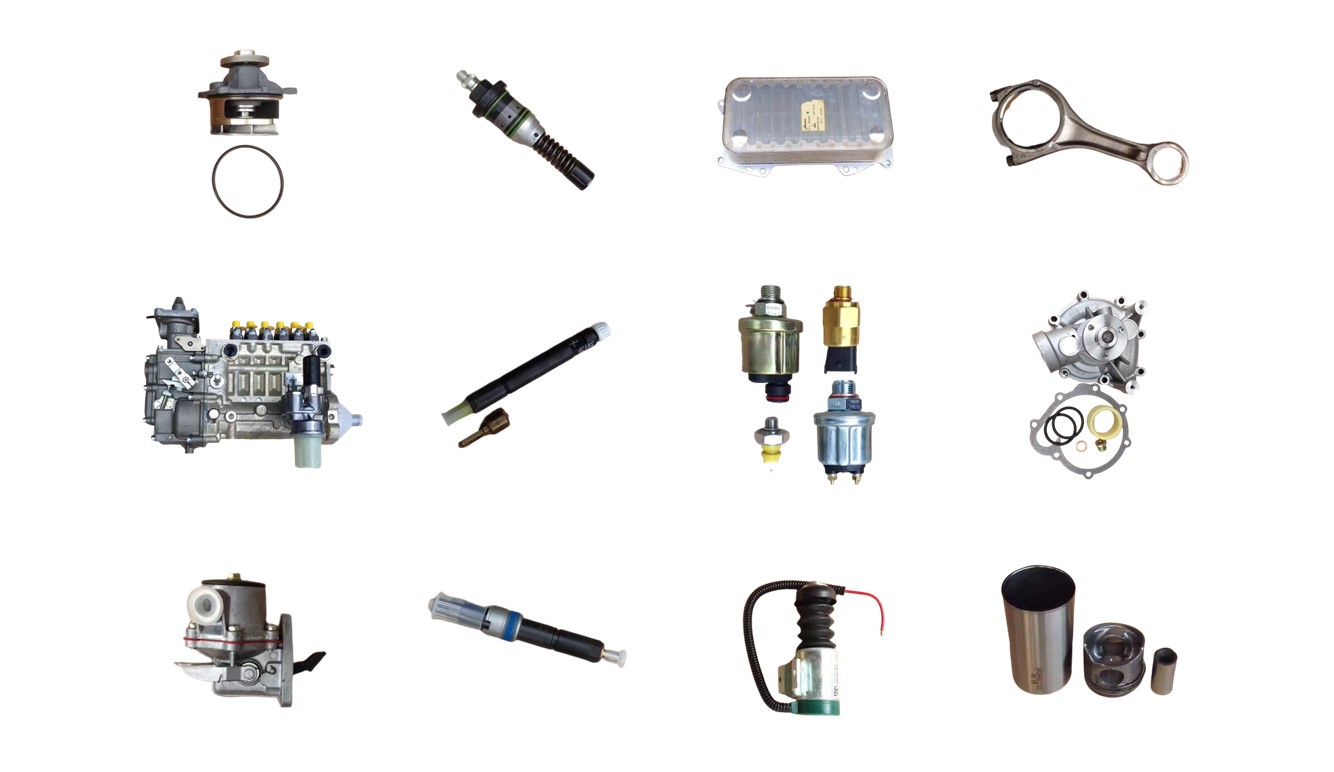
Certain engine parts are particularly well-suited to powder coating. These include:
● Oil Pans: Powder coating helps prevent corrosion caused by exposure to oil and chemicals.
● Engine Mounts: These parts benefit from the added protection against vibrations and impacts.
● Exhaust Components: High-temperature powder coatings can withstand the extreme heat found in exhaust systems.
By powder coating these components, you can extend their lifespan and improve their overall performance.
For parts exposed to extreme temperatures or harsh chemicals, specialized powder coatings are available. High-temperature coatings, for example, are designed to withstand the intense heat produced by engine components like exhaust manifolds and turbochargers. These coatings ensure that the parts remain protected, even under the most demanding conditions.
Engine Part | Suitable Powder Coating Type | Key Benefit |
Oil Pan | Corrosion-resistant powder | Prevents rust and wear |
Engine Mounts | Scratch-resistant powder | Resists vibrations and impacts |
Exhaust Components | High-temperature powder coating | Withstands extreme heat |
Powder coating provides superior protection for engine parts by enhancing corrosion resistance, heat protection, and durability. It offers a long-lasting solution to the demanding conditions of engine environments. For automotive manufacturers and car owners, powder coating is a wise decision that ensures better performance and longevity. Companies like Wuhan Weyeah Power Machinery Co., Ltd. offer specialized powder coating solutions, ensuring that your engine parts are well-protected and reliable in extreme conditions.
A: Yes, engine parts can be powder coated. Specialized high-temperature coatings provide durability, heat resistance, and protection from corrosion for engine components like oil pans and engine mounts.
A: Powder coating offers enhanced protection against corrosion, scratches, and heat for engine parts. It also ensures a longer lifespan and better performance under harsh conditions.
A: Powder coating creates a tough, durable layer that shields engine parts from wear, corrosion, and extreme temperatures. It provides superior protection compared to traditional paint.
A: Not all engine parts are suitable for powder coating. Parts exposed to extreme heat or chemicals, like exhaust components, require specialized high-temperature coatings.
A: The cost of powder coating engine parts varies based on the part size and type of coating. However, it is a cost-effective long-term solution due to its durability and minimal maintenance needs.